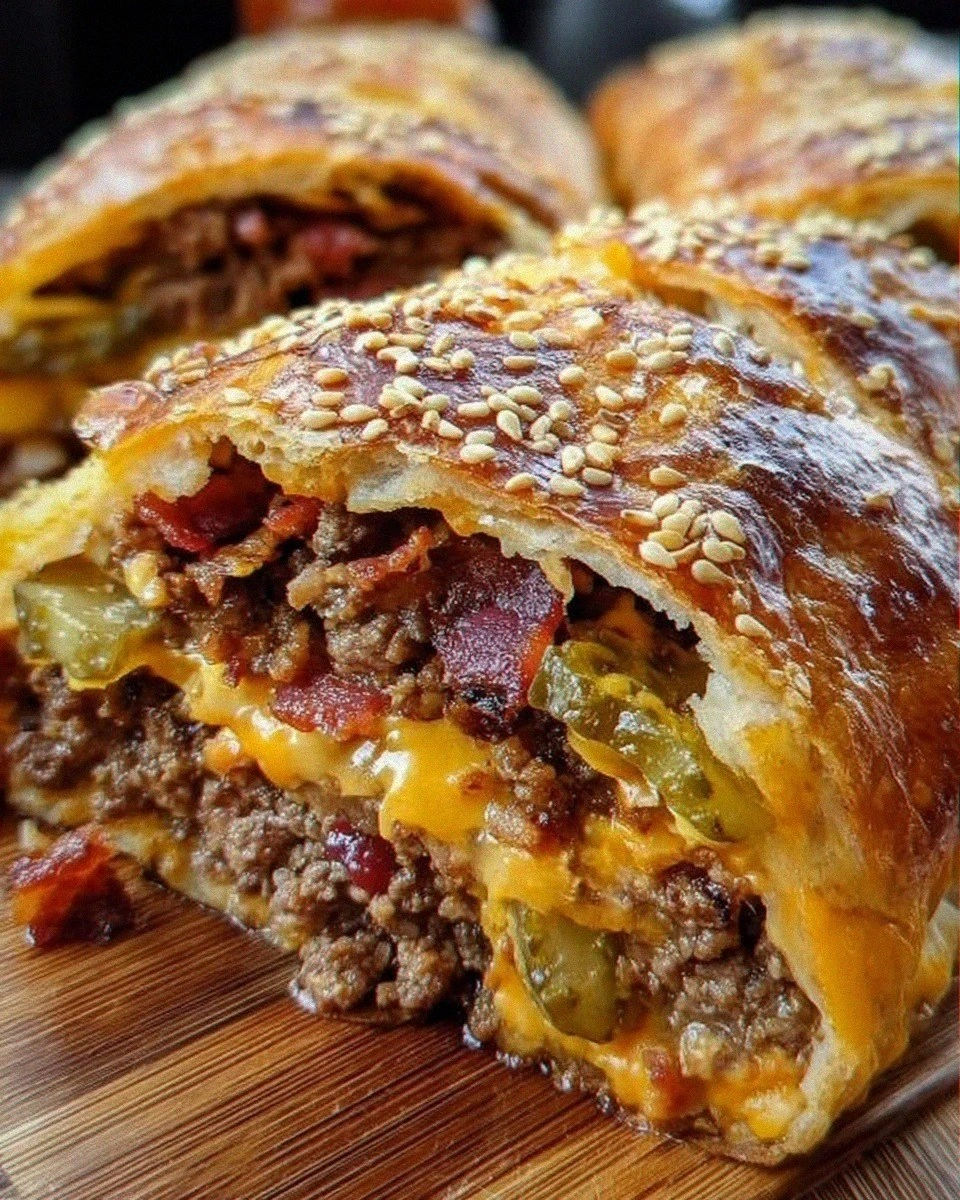
It was a crisp Saturday morning in early spring when I first discovered the magic of a perfectly cooked frittata. The kitchen was still humming with the faint scent of fresh coffee, and the sunlight filtered through the curtains, painting golden stripes across the countertop. I remember cracking the first egg, hearing that satisfying splash as the yolk met the bowl, and feeling the anticipation build with each whisk. When the skillet finally sizzled with a whisper of olive oil, I could already sense that something wonderful was about to happen—an aroma that promised comfort, warmth, and a touch of celebration.
What makes a frittata truly irresistible isn’t just the ingredients; it’s the symphony of textures and flavors that come together in that pan. Imagine a fluffy, custardy interior dotted with golden, caramelized edges, each bite delivering a burst of melted cheese and the sweet‑earthy crunch of fresh vegetables. The beauty of this dish is that it can be a hearty breakfast, a lazy brunch, or even a quick dinner when you’re short on time. And because it’s baked right in the skillet, you get that rustic, pan‑roasted flavor without the need for a fancy oven‑proof dish.
I’ve served this frittata at family gatherings, potlucks, and even on spontaneous midnight cravings, and each time the reaction is the same: eyes light up, forks dive in, and a chorus of “more, please!” fills the room. There’s a secret trick I’ll reveal in step 4 that takes the texture from simply good to unbelievably airy—trust me, you’ll want to try it the very next time you cook. But before we get there, let’s talk about why this recipe works so beautifully and how each component plays its part in the overall masterpiece.
Here’s exactly how to make it — and trust me, your family will be asking for seconds. Grab your skillet, gather the fresh ingredients, and prepare to fall in love with a dish that’s as easy as it is unforgettable. Ready? Let’s dive in and create something truly special together.
🌟 Why This Recipe Works
You might wonder why some frittatas turn out dry or dense while others are light as a cloud. The answer lies in the balance of technique, ingredient quality, and a few clever shortcuts that I’ve refined over the years. Below are the key reasons this particular version shines every single time.
- Flavor Depth: The combination of fresh vegetables, a splash of milk, and a generous amount of cheese creates layers of savory goodness that develop as the frittata bakes. Each bite delivers a balanced mix of sweet, salty, and umami notes that keep the palate engaged.
- Texture Harmony: By whisking the eggs with a little milk, the mixture becomes slightly custardy, resulting in a tender interior while the edges crisp up beautifully in the skillet. This contrast is what makes each forkful a delight.
- Ease of Execution: All the steps can be completed in one pan, meaning fewer dishes and less cleanup—a win for any home cook who values simplicity without sacrificing flavor.
- Time Efficiency: With a total cooking time of under an hour, this frittata fits perfectly into busy mornings or quick weeknight meals, giving you a wholesome dish without the wait.
- Versatility: The base recipe is a canvas for endless variations—add herbs, swap veggies, or experiment with different cheeses, making it adaptable to any season or dietary preference.
- Nutrition Boost: Eggs provide high‑quality protein and essential vitamins, while the vegetables add fiber, antioxidants, and a burst of color that makes the dish as nutritious as it is delicious.
- Ingredient Quality: Using fresh, high‑grade ingredients—especially the cheese and vegetables—elevates the overall taste, turning a simple meal into a gourmet experience.
- Crowd‑Pleasing Factor: The frittata’s comforting aroma and golden appearance draw people in, making it a reliable crowd‑pleaser for any gathering, big or small.
Now let's talk about the ingredients that make this magic happen...
🥗 Ingredients Breakdown
The Foundation: Eggs & Milk
Eggs are the heart of any frittata, providing structure, moisture, and a rich, buttery flavor that binds everything together. I use six large eggs because they give the dish enough body without making it overly dense. The quarter‑cup of milk adds a subtle creaminess, turning the egg mixture into a silky custard that sets gently. If you prefer a richer texture, you can swap half the milk for heavy cream, but be careful not to overdo it—too much fat can make the frittata greasy.
When selecting eggs, look for ones with bright, unblemished shells and, if possible, free‑range or pasture‑raised varieties. These tend to have richer yolks, which translate to deeper color and flavor. For the milk, whole milk works best; however, 2% or even a plant‑based alternative like oat milk can be used if you have dietary restrictions. Just remember that the flavor profile will shift slightly with each substitution.
Aromatics & Spices: Olive Oil, Salt & Pepper
Olive oil is the cooking medium that adds a fruity, slightly peppery note while preventing the vegetables from sticking. I recommend a good extra‑virgin olive oil for its robust flavor, but a light olive oil works fine if you want a milder base. Salt and freshly cracked black pepper are the essential seasoning duo that brings out the natural sweetness of the vegetables and the richness of the cheese.
A tip many home cooks overlook is to season the vegetables while they’re sautéing, not just the final mixture. This allows the salt to draw out moisture, intensifying the flavors and preventing sogginess. If you love a bit of heat, a pinch of red‑pepper flakes can be added at this stage for a subtle kick.
The Secret Weapons: Diced Vegetables & Shredded Cheese
The one‑cup of diced vegetables is where you can truly personalize this frittata. I love a mix of bell peppers, zucchini, and cherry tomatoes because they provide a colorful medley and a sweet‑savory balance. The key is to dice them uniformly—about a half‑inch cubes—so they cook evenly and integrate seamlessly with the egg base.
Shredded cheese, another cup, is the melty, golden crown that ties everything together. A blend of sharp cheddar and mozzarella works beautifully, offering both depth and stretch. If you prefer a more Mediterranean twist, swap in feta or goat cheese; just remember that these cheeses are saltier, so you may want to reduce the added salt accordingly.
Finishing Touches: Fresh Herbs & Optional Extras
While the core recipe is already delicious, a handful of fresh herbs like parsley, chives, or basil can elevate the flavor profile with a burst of brightness. Add them just before the frittata finishes baking to preserve their vibrant color and aromatic qualities. If you’re feeling adventurous, a sprinkle of smoked paprika or a dash of nutmeg can add an unexpected layer of warmth.
When it comes to selecting the freshest vegetables, head to the farmer’s market or your local grocery’s produce aisle and look for firm, brightly colored produce. For cheese, choose a block and shred it yourself; pre‑shredded cheese often contains anti‑caking agents that can affect meltability. With these small choices, you’re setting the stage for a frittata that’s not just tasty, but truly spectacular.
With your ingredients prepped and ready, let's get cooking. Here's where the fun really begins...

🍳 Step-by-Step Instructions
Preheat your oven to 375°F (190°C). While the oven warms, gather your skillet—preferably a 10‑inch cast‑iron or oven‑safe non‑stick pan—because this will ensure even heat distribution. Place the skillet on the stovetop over medium heat and add two tablespoons of olive oil, letting it shimmer but not smoke. The oil should coat the bottom in a thin, glossy layer, ready to greet the vegetables.
💡 Pro Tip: If you’re using a stainless steel pan, wait until the oil forms a slight ripple before adding the veggies; this prevents sticking.Add the diced vegetables to the skillet, spreading them out in an even layer. Sauté for about 5‑7 minutes, stirring occasionally, until they become tender and start to caramelize at the edges. You’ll hear a gentle sizzle and notice the colors deepening—a sign that the natural sugars are developing that sweet, nutty flavor we love.
⚠️ Common Mistake: Overcrowding the pan can steam the vegetables instead of browning them, resulting in a soggy frittata.While the vegetables are cooking, whisk together the six large eggs, a quarter‑cup of milk, and a pinch of salt and pepper in a large bowl. Whisk vigorously for about 30 seconds—this incorporates air and creates a light, fluffy texture. The mixture should turn a uniform pale yellow, with a slightly frothy surface that hints at the airy crumb you’ll achieve later.
Here’s the secret trick: once the vegetables are nicely caramelized, create a small well in the center of the pan and pour the whisked egg mixture over the entire skillet, letting it flow naturally around the veggies. This technique ensures the eggs settle evenly and prevents any pockets of over‑cooked egg. As the edges begin to set, gently tilt the pan to allow the uncooked liquid to slide toward the hot sides.
💡 Pro Tip: Sprinkle the shredded cheese evenly over the top at this stage; the cheese will melt into the egg, creating pockets of gooey goodness.Allow the frittata to cook on the stovetop for about 2‑3 minutes without stirring. You’ll notice the edges turning opaque while the center remains slightly runny—this is exactly what you want before transferring it to the oven. The subtle crackling sound as the bottom crisps is a good indicator that the base is forming a beautiful golden crust.
Transfer the skillet to the preheated oven. Bake for 12‑15 minutes, or until the frittata is puffed, the top is set, and a light golden hue crowns the cheese. If you like a slightly more caramelized top, you can broil for an extra 1‑2 minutes—just keep a close eye to avoid burning.
Once baked, remove the skillet from the oven and let the frittata rest for 3‑5 minutes. This resting period allows the interior to finish setting and makes slicing cleaner. Use a flexible spatula to gently lift a slice; you should see a tender, custardy interior dotted with bright vegetables and molten cheese.
Serve the frittata straight from the skillet or transfer it to a cutting board for a more elegant presentation. Garnish with freshly chopped herbs, a drizzle of extra‑virgin olive oil, or a squeeze of lemon for a bright finish. Go ahead, take a taste — you’ll know exactly when it’s right, and the flavors will speak for themselves.
And there you have it! But before you dig in, let me share some tips that will take this from great to absolutely unforgettable...
🔐 Expert Tips for Perfect Results
The Taste Test Trick
Before you slide the skillet into the oven, give the egg‑vegetable mixture a quick taste. This might sound odd, but a tiny spoonful can reveal if you need a pinch more salt or a dash of pepper. Adjusting the seasoning at this early stage ensures the final product is perfectly balanced, and it prevents the dreaded “bland bite” that can happen if you wait until after cooking.
Why Resting Time Matters More Than You Think
Allowing the frittata to rest for a few minutes after baking is crucial. The residual heat continues to cook the interior gently, while the proteins tighten, giving you clean slices. Skipping this step often results in a crumbly frittata that falls apart on the plate—trust me, I’ve learned that the hard way during a rushed brunch.
The Seasoning Secret Pros Won’t Tell You
Professional chefs often finish a frittata with a light sprinkle of flaky sea salt and a grind of fresh black pepper right before serving. The flaky salt adds a delicate crunch that contrasts with the soft interior, while freshly ground pepper releases aromatic oils that heighten the overall flavor. This final flourish makes the dish feel restaurant‑quality without any extra effort.
Choosing the Right Pan
A well‑seasoned cast‑iron skillet is my go‑to because it retains heat beautifully, creating an even crust. However, a heavy‑bottomed stainless steel or a non‑stick skillet works just as well if you prefer easier cleanup. The key is to avoid thin, cheap pans that heat unevenly and cause hot spots, which can lead to uneven cooking.
Cheese Placement Matters
Instead of mixing the cheese into the egg mixture, I sprinkle it on top just before the oven step. This method creates a bubbling, golden cheese crust while keeping the interior creamy. If you love extra cheese, feel free to add a second layer halfway through baking—just be mindful of the added richness.
🌈 Delicious Variations to Try
One of my favorite things about this recipe is how versatile it is. Here are some twists I've tried and loved:
Mediterranean Sunrise
Swap the bell peppers for sun‑dried tomatoes, add kalamata olives, and use feta cheese instead of cheddar. The salty olives and tangy feta bring a bright, briny flavor that pairs perfectly with fresh oregano. Serve with a side of toasted pita for a complete Mediterranean brunch.
Spicy Southwest
Incorporate black beans, corn, and diced jalapeños, then finish with a blend of pepper jack and Monterey Jack cheeses. A sprinkle of cumin and smoked paprika adds depth, while a dollop of avocado crema on top balances the heat. This version is great for a weekend brunch with a kick.
Herb‑Infused Garden
Add a generous handful of fresh herbs—such as thyme, rosemary, and chives—into the egg mixture before pouring it into the skillet. Use goat cheese for a tangy finish and include asparagus tips for a springtime feel. The herbaceous aroma will fill your kitchen and make the dish feel like a garden harvest.
Cheesy Mushroom Delight
Sauté sliced cremini or shiitake mushrooms with a splash of white wine before adding the other vegetables. Use Gruyère or Swiss cheese for a nutty, melt‑in‑your‑mouth texture. This earthy variation is perfect for cooler mornings when you crave comfort.
Sweet & Savory Apple Bacon
For a surprising sweet‑savory combo, add thinly sliced apples and crisped bacon bits to the vegetable mix. Use sharp cheddar and a drizzle of maple syrup just before serving. The caramelized apple pieces bring a subtle sweetness that pairs beautifully with the salty bacon.
Vegan Power‑Frittata
Replace the eggs with a chickpea flour batter (1 cup chickpea flour, 1 cup water, ¼ tsp turmeric) and use plant‑based milk. Swap cheese for nutritional yeast and add a mix of kale, bell peppers, and vegan sausage. This version is just as hearty and satisfying, proving that frittatas can be fully plant‑based.
📦 Storage & Reheating Tips
Refrigerator Storage
Allow the frittata to cool completely before slicing and storing. Place individual slices in an airtight container or wrap them tightly in plastic wrap. It will keep fresh in the refrigerator for up to three days. For best texture, store a paper towel on top of the slices to absorb excess moisture.
Freezing Instructions
If you want to make a batch ahead of time, freeze the cooked and cooled frittata in a single layer on a parchment‑lined tray. Once solid, transfer the slices to a freezer‑safe zip‑top bag. Properly sealed, they’ll stay good for up to two months. Thaw overnight in the fridge before reheating.
Reheating Methods
The trick to reheating without drying it out? A splash of milk or a drizzle of olive oil, then cover the slice with foil and warm in a 300°F (150°C) oven for about 10 minutes. For a quicker option, microwave on medium power for 45‑60 seconds, adding a tiny dab of butter on top to keep it moist. Either method revives the fluffy interior and restores the golden crust.